

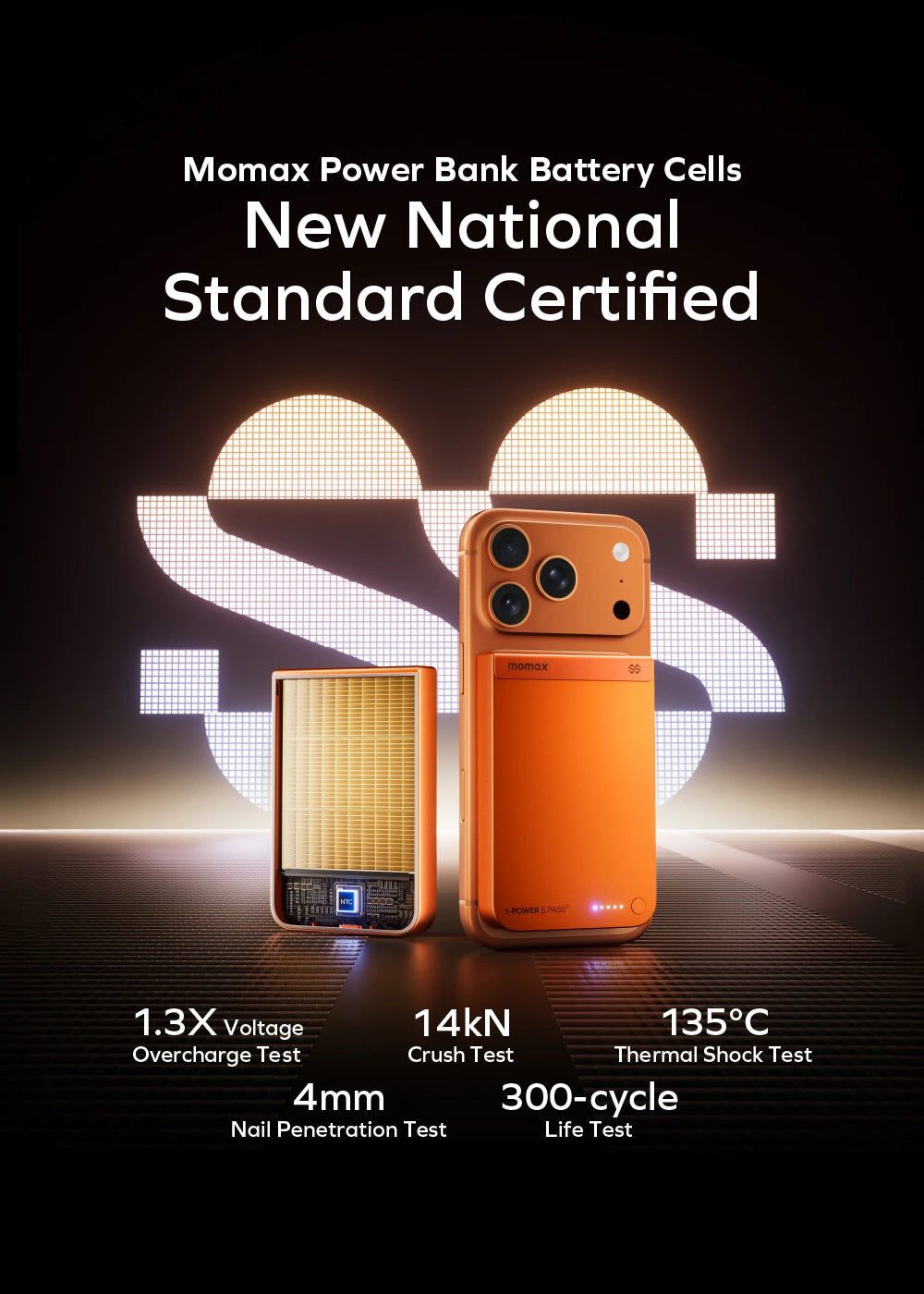
New China Compulsory Certification
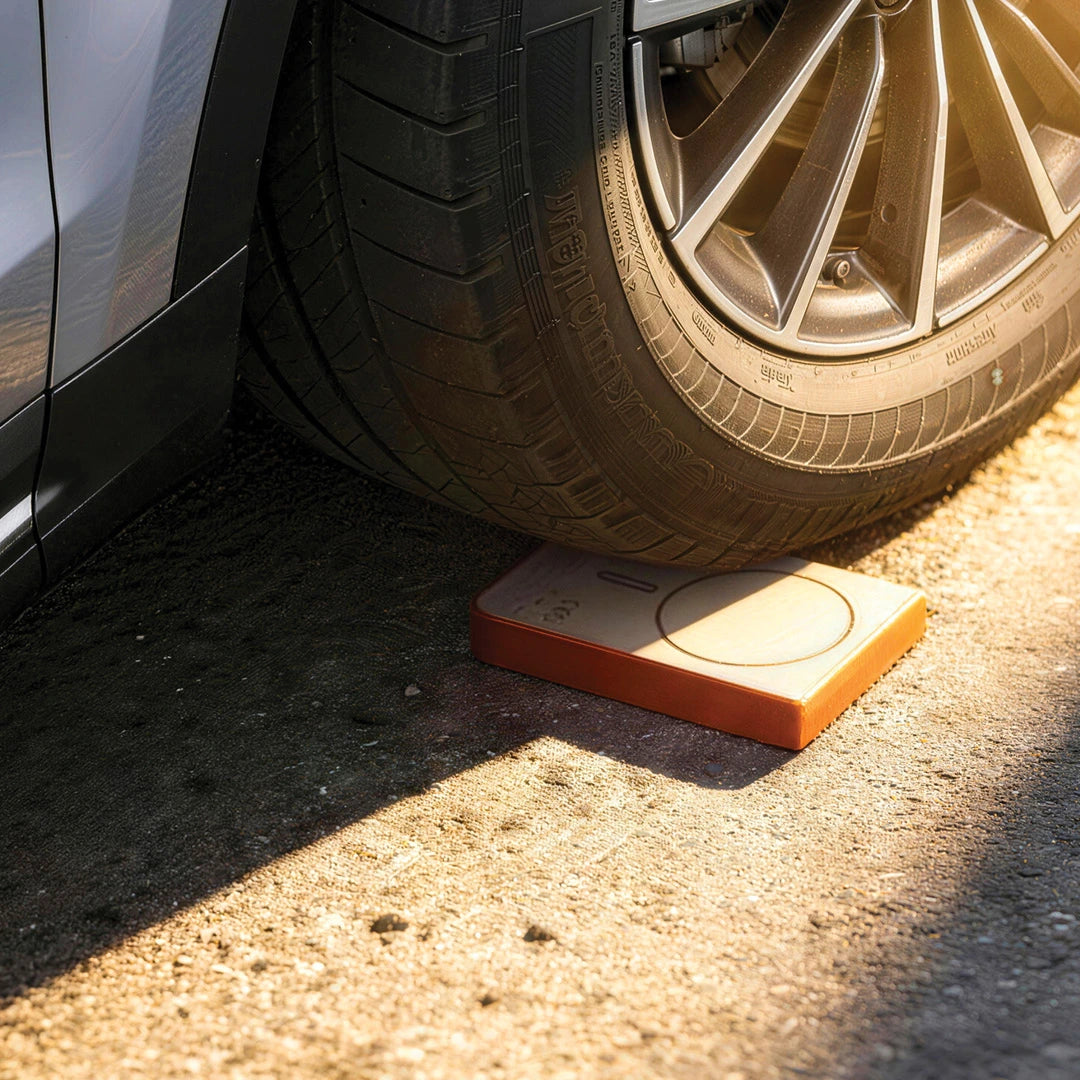
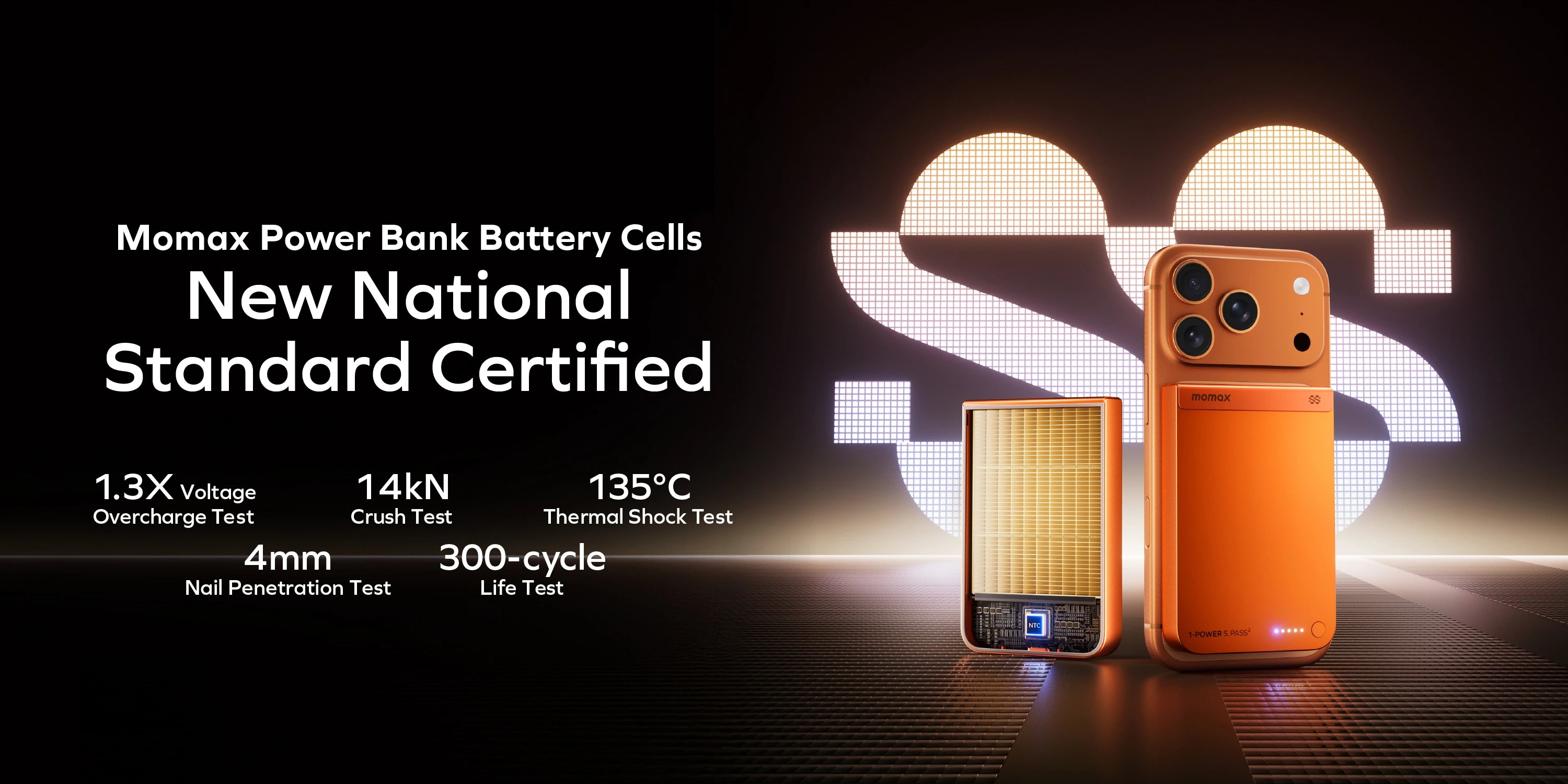
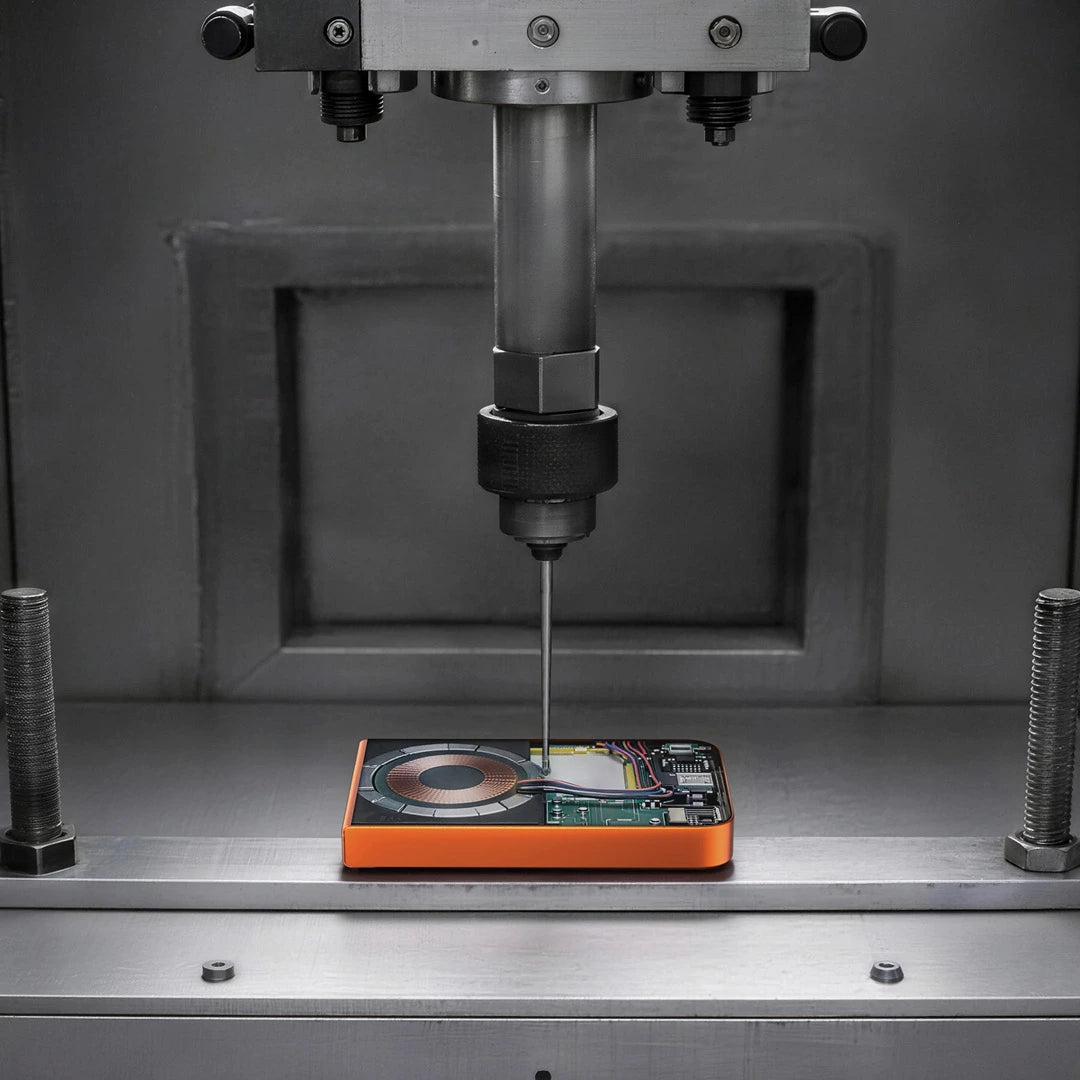
4mm Steel Nail Penetration Test – Fully Passed
New China Compulsory Certification Requirement:
A 4mm diameter steel nail penetrates through the geometric center of the cell and remains in place for observation for at least 5 minutes, with no fire or explosion.
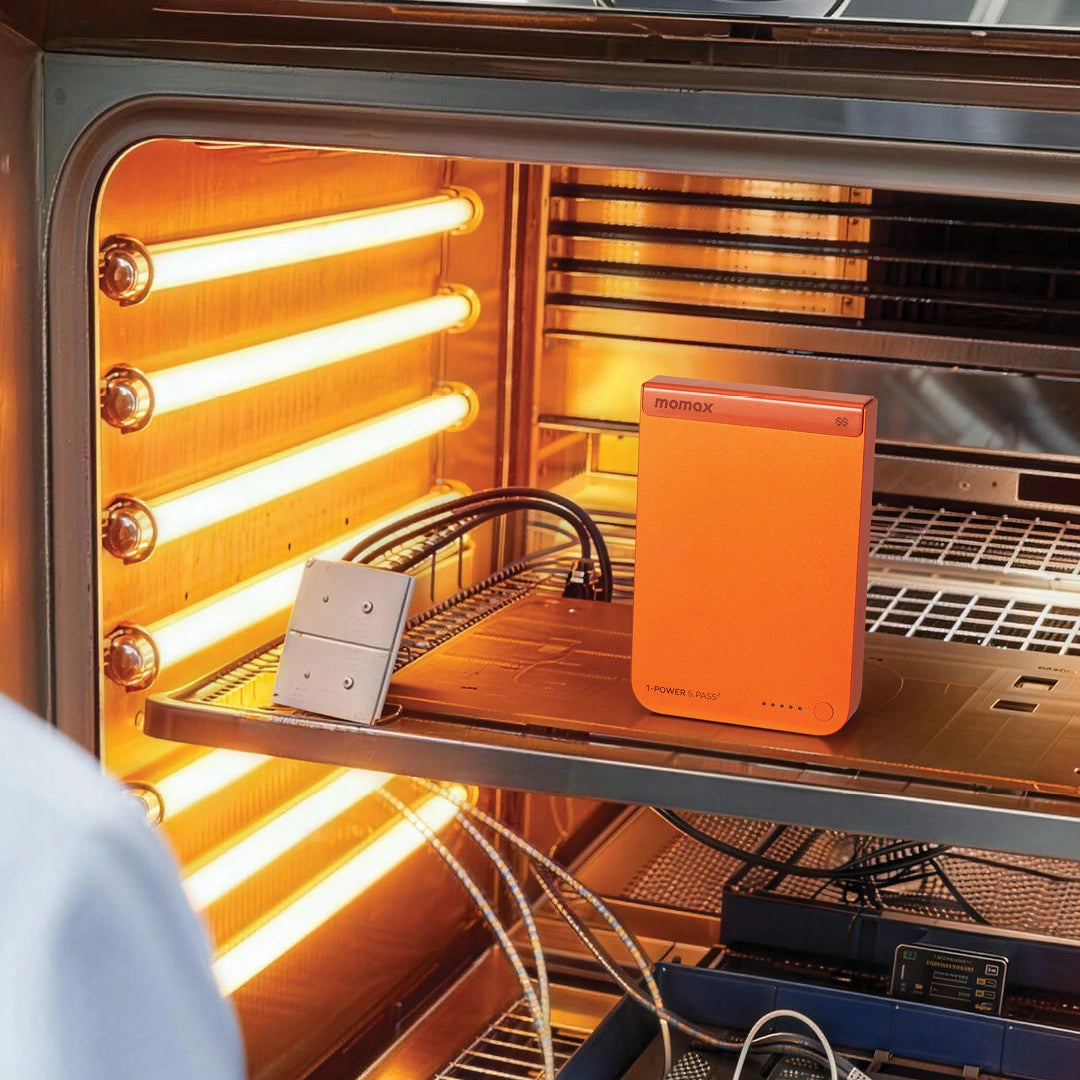
~1.4 Tonnes Extrusion Test – Fully Passed
New China Compulsory Certification Requirement:
A 25mm diameter steel semi-cylinder applies pressure to the cell at 14KN (=1.4 tonnes) and a speed of 0.1mm/s, with no fire or explosion.
135°C High-Temperature Thermal Test – Fully Passed
New China Compulsory Certification Requirement:
A fully charged cell is placed in a test chamber, heated to 123±2°C at a rate of 5±2°C, and held at a constant temperature for 60 minutes, with no fire or explosion.
1.3× Voltage Overcharge Test – Fully Passed
New China Compulsory Certification Requirement:
Charge the cell to 1.3 times the charge cut‑off voltage, then continue constant‑voltage charging for 1 hour, or until the total charging duration reaches 7 hours. No fire or explosion shall occur.
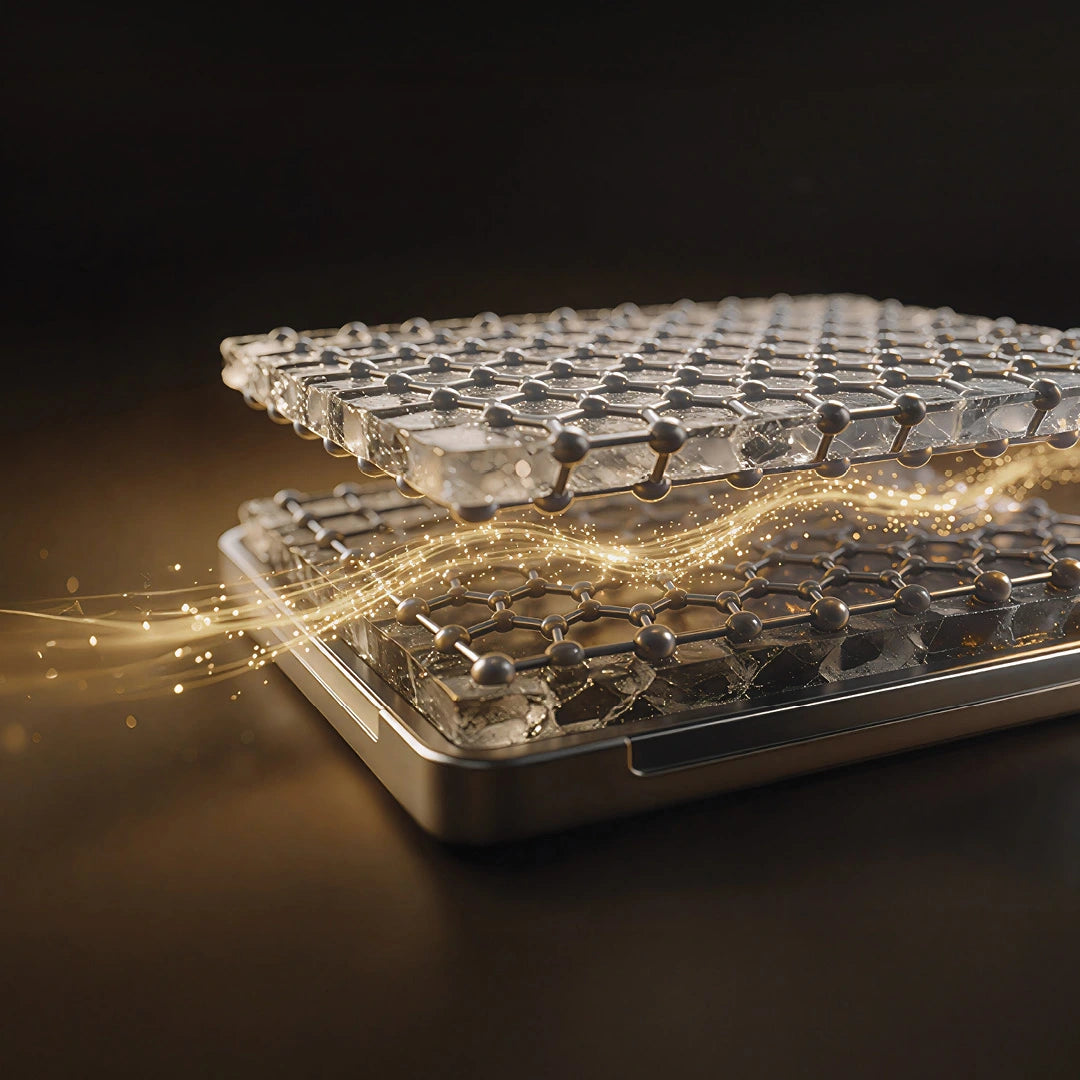
300 Charge-Discharge Cycles – Fully Passed
New China Compulsory Certification Requirement:
After 300 charge-discharge cycle aging, the cell is disassembled to inspect the negative electrode interface for lithium metal precipitation that may compromise safety.
China Compulsory Product Certification (CCC) is a product conformity assessment implemented by the state in accordance with regulations to protect consumer safety and strengthen product quality management.
At present, products that are subject to mandatory CCC certification cover a total of 17 categories and 103 items, including electronic products and devices such as power banks.
According to the latest update from China’s State Administration for Market Regulation (SAMR), starting from March 1, 2026, all newly CCC-certified power banks must add a “traceable QR code” next to the existing CCC certification mark.
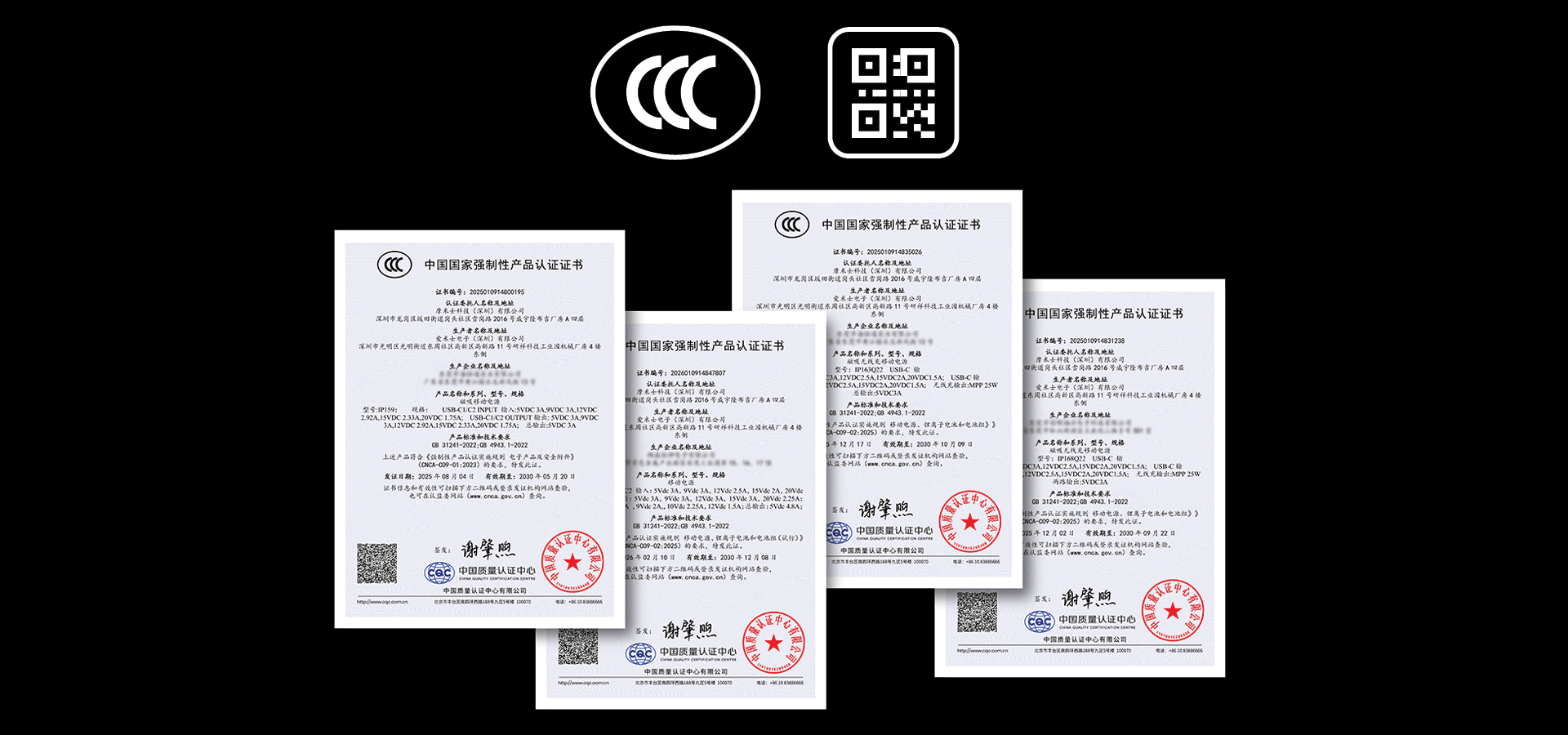
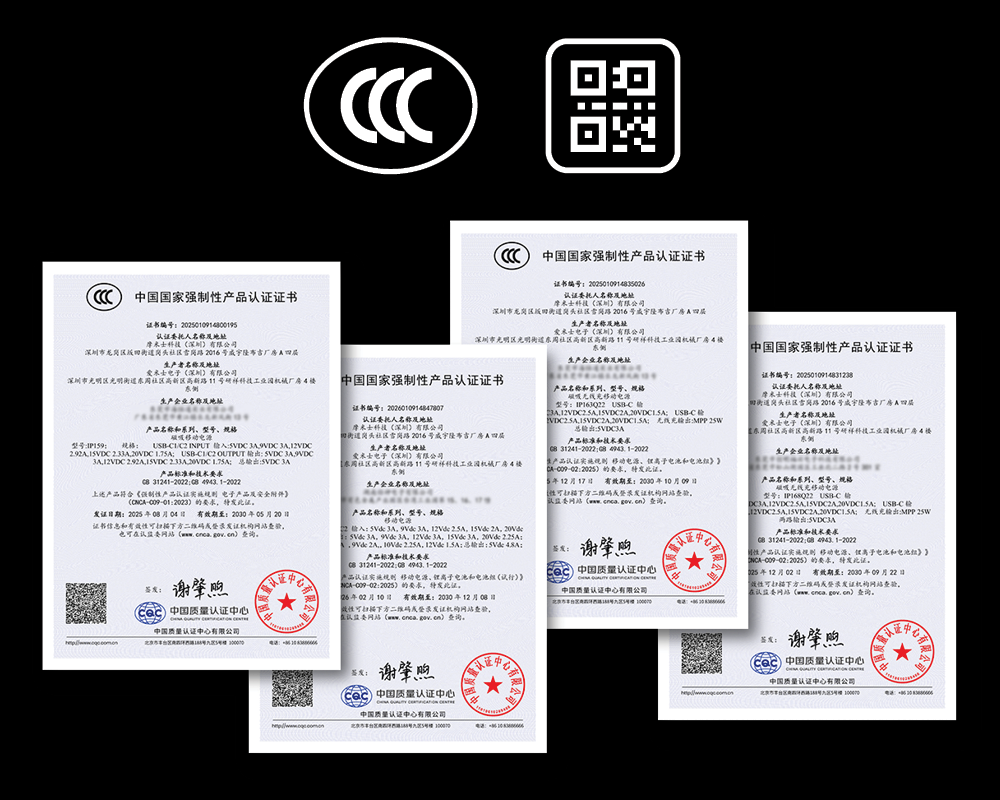
For products that completed CCC mark labeling in accordance with the then-current requirements before March 1, 2026, and have already left the factory or have already been placed on the market for sale, there is no need to replace the mark. During the one-year transition period specified in the updated policy, these products may still be distributed and sold in accordance with the original requirements.
Multiple International Safety Certifications · Power You Can Trust
As one of Hong Kong’s leading consumer electronics brands, Momax puts quality and regulatory compliance first. Our products are certified to major standards including CE, CCC, FCC, RoHS, and UN38.3.
To date, approximately 100 Momax power bank models already comply with CCC requirements and are produced in strict accordance with China’s national standards. Looking ahead, we will continue to align with the latest regulations and progressively enhance compliance labeling, including the traceability QR code to help partners and consumers verify certification details more easily, for a safer and more reassuring on-the-go experience.
Traceable QR code + CCC Selection
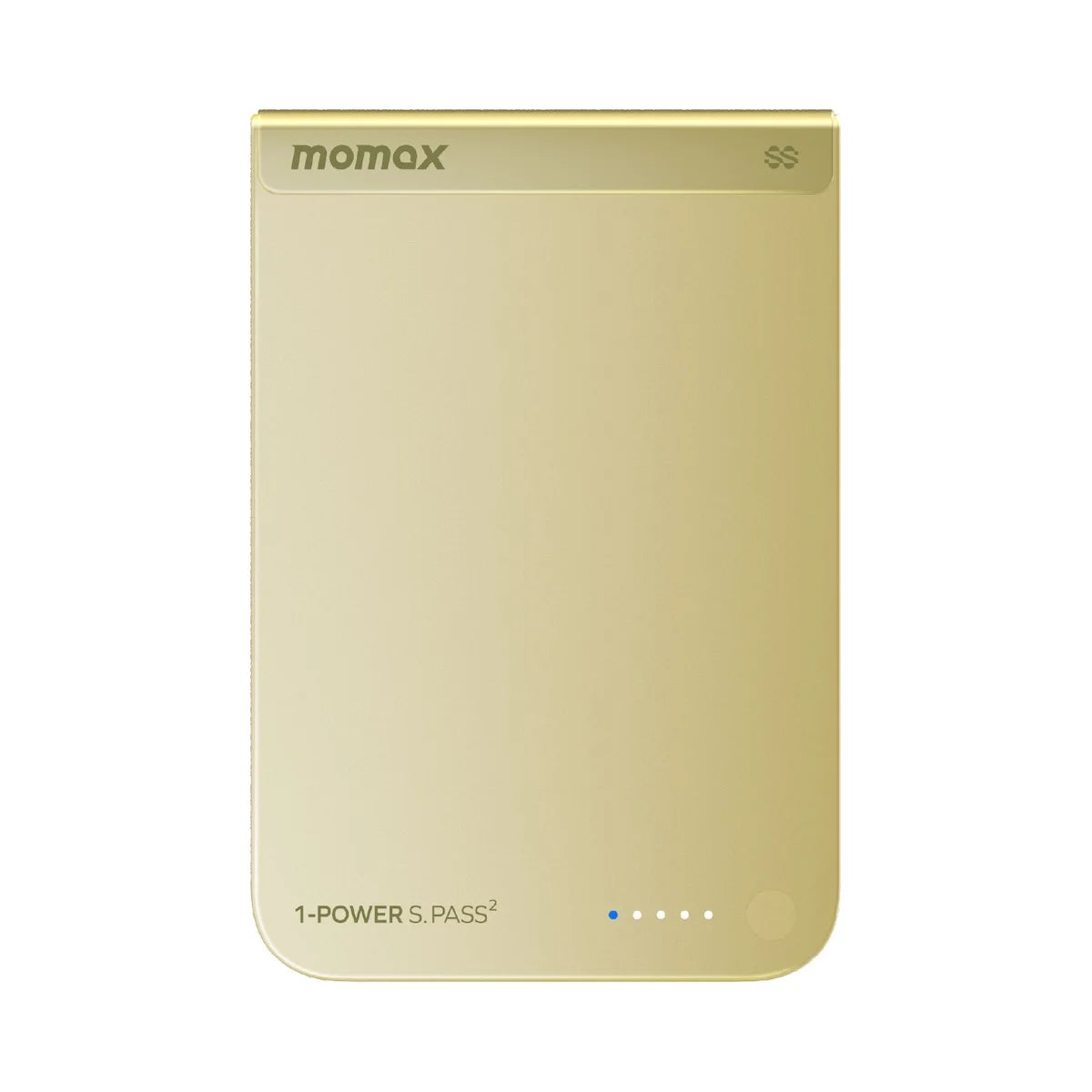
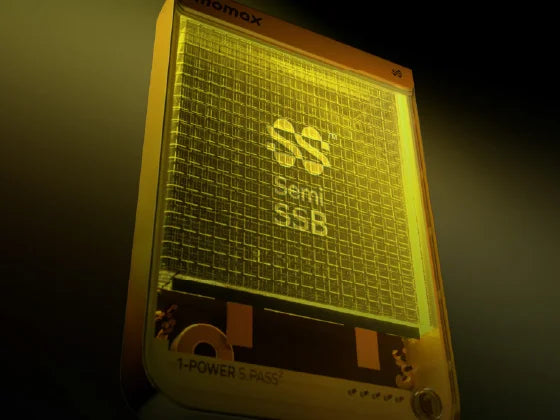
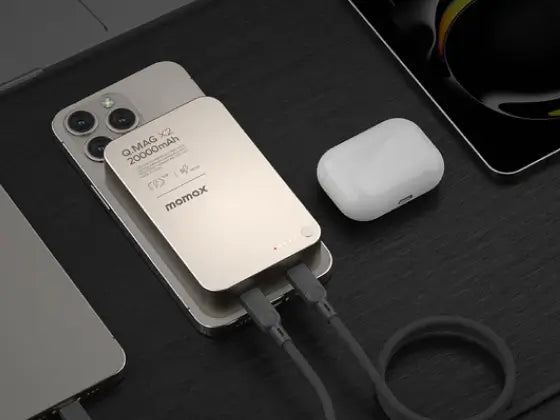
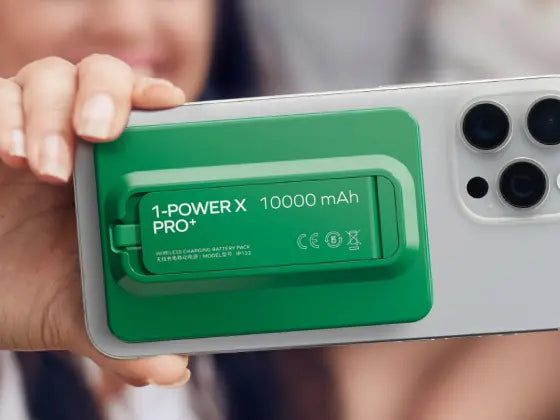
10000mAh Semi SSB Magnetic Wireless Battery Pack (CCC)
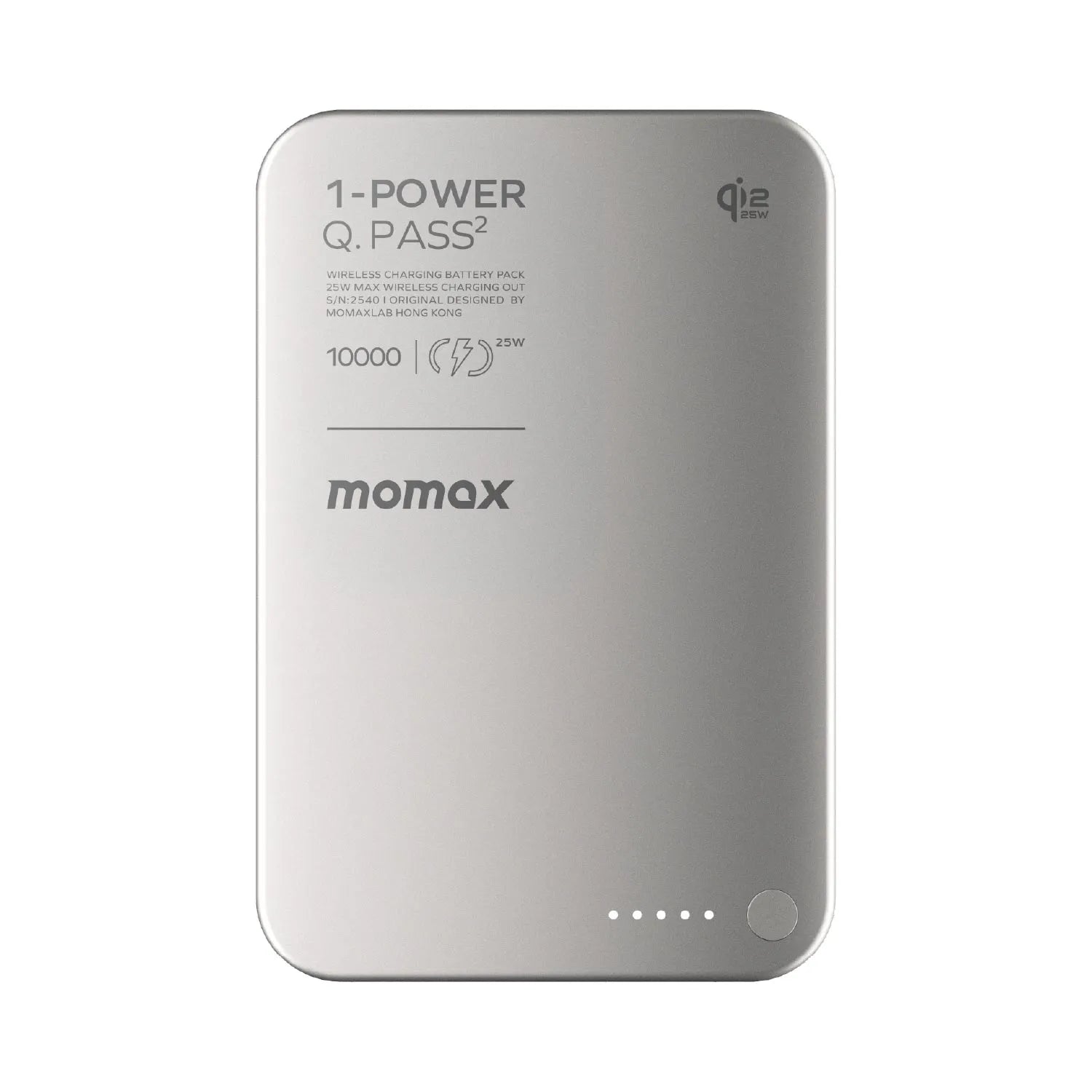
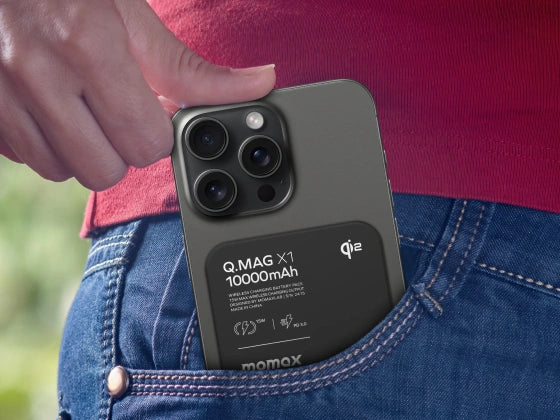
1-Power Q.Pass² 10000mAh Qi2 25W Magnetic Wireless Battery Pack
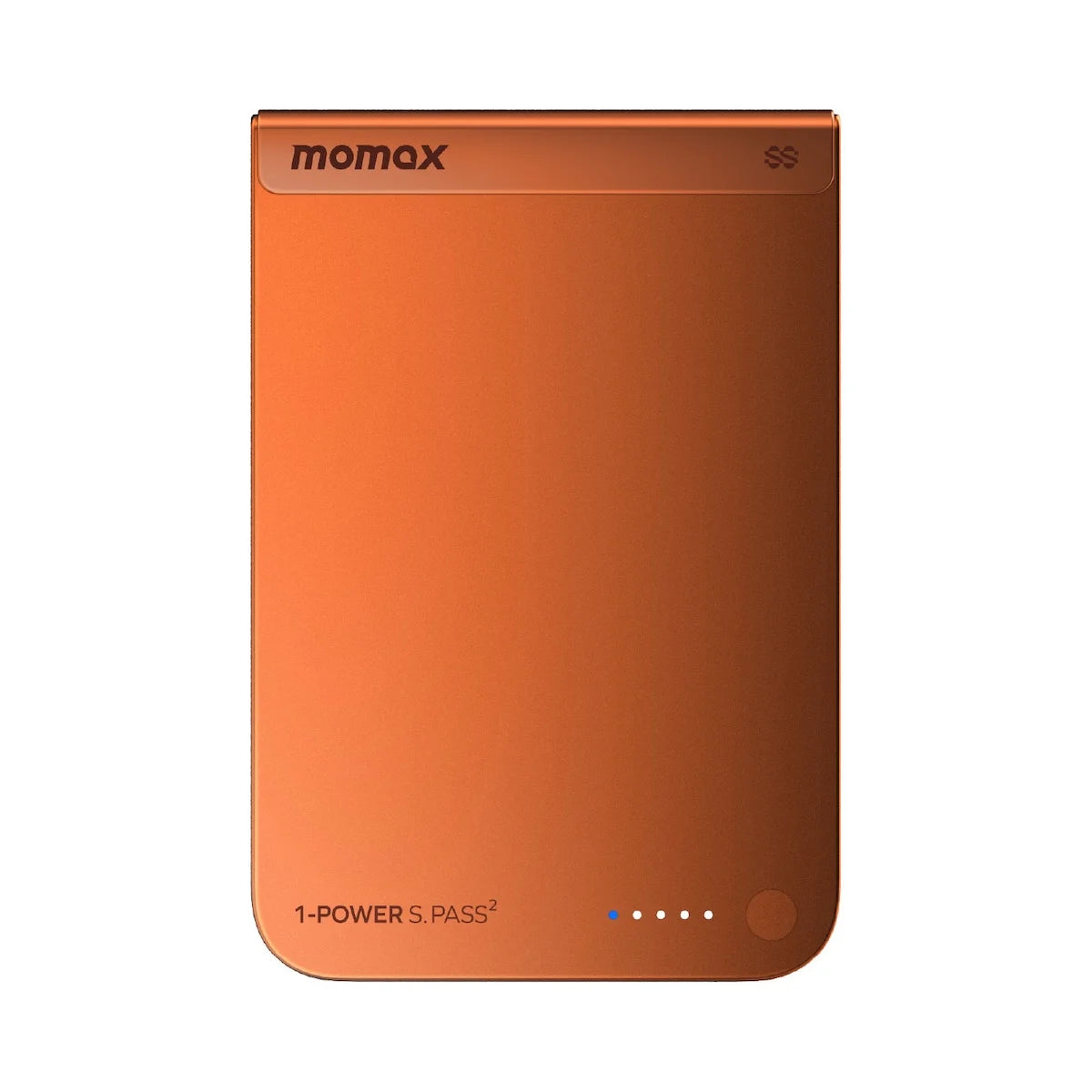
10000mAh Semi SSB Magnetic Wireless Battery Pack (CCC)
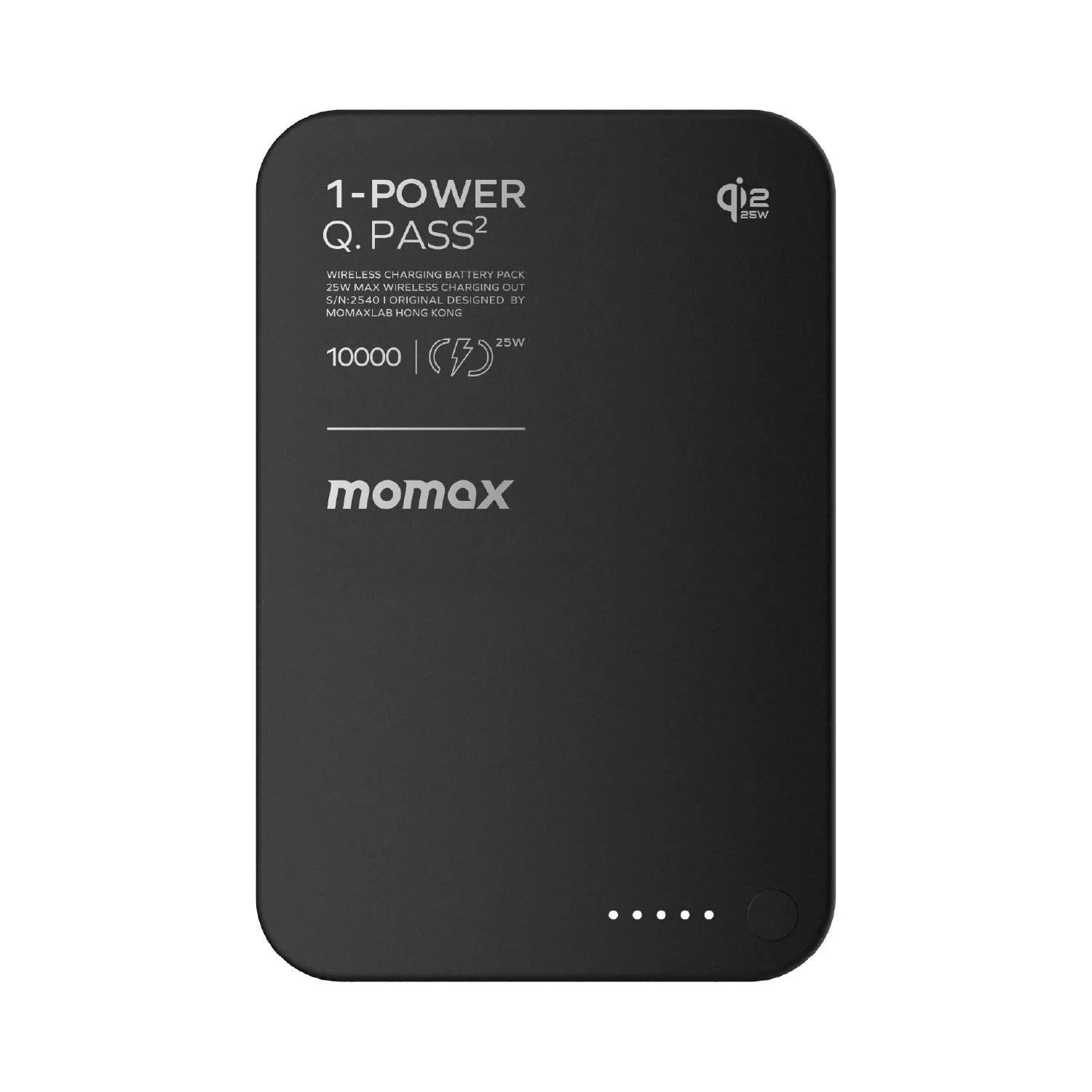
1-Power Q.Pass² 10000mAh Qi2 25W Magnetic Wireless Battery Pack
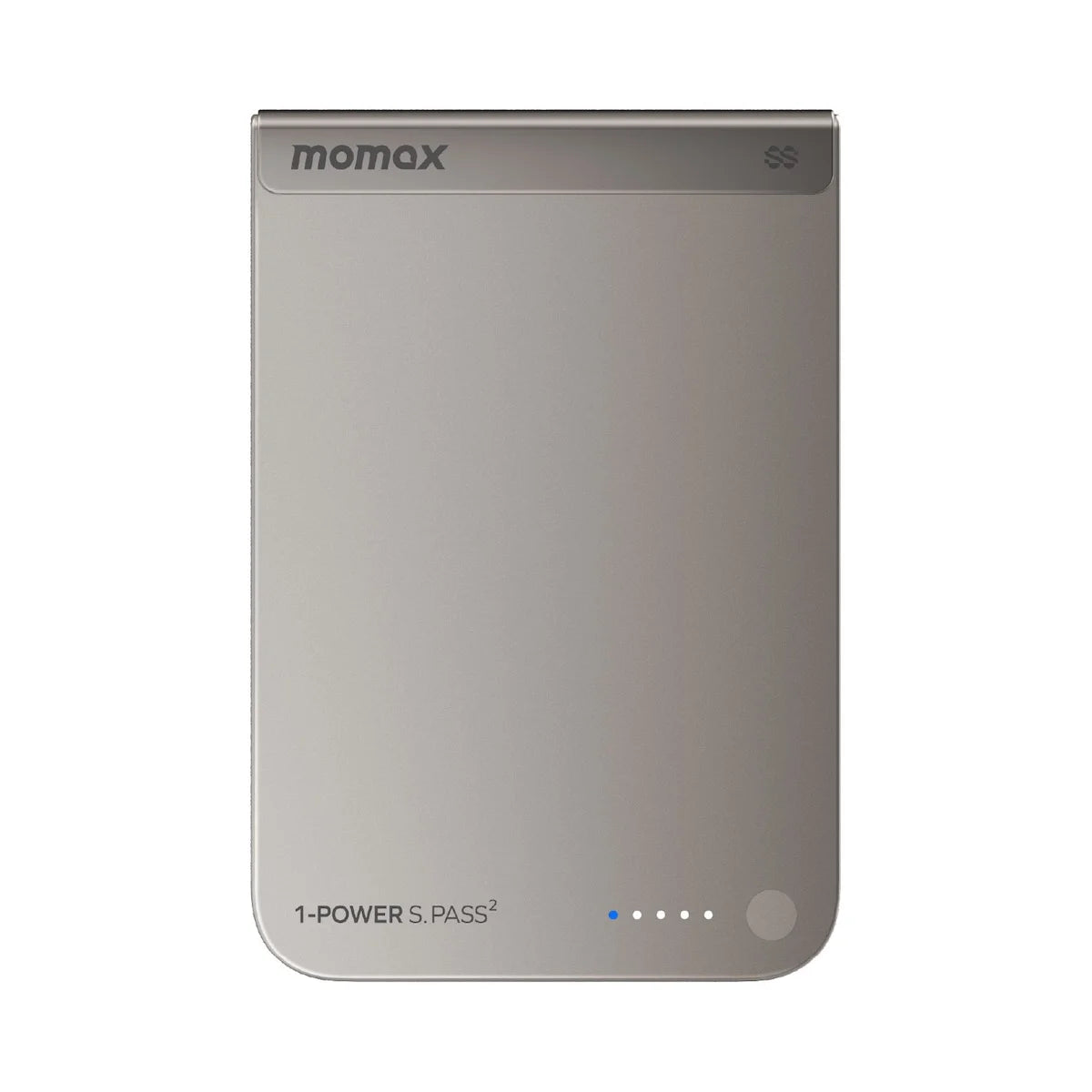
10000mAh Semi SSB Magnetic Wireless Battery Pack (CCC)
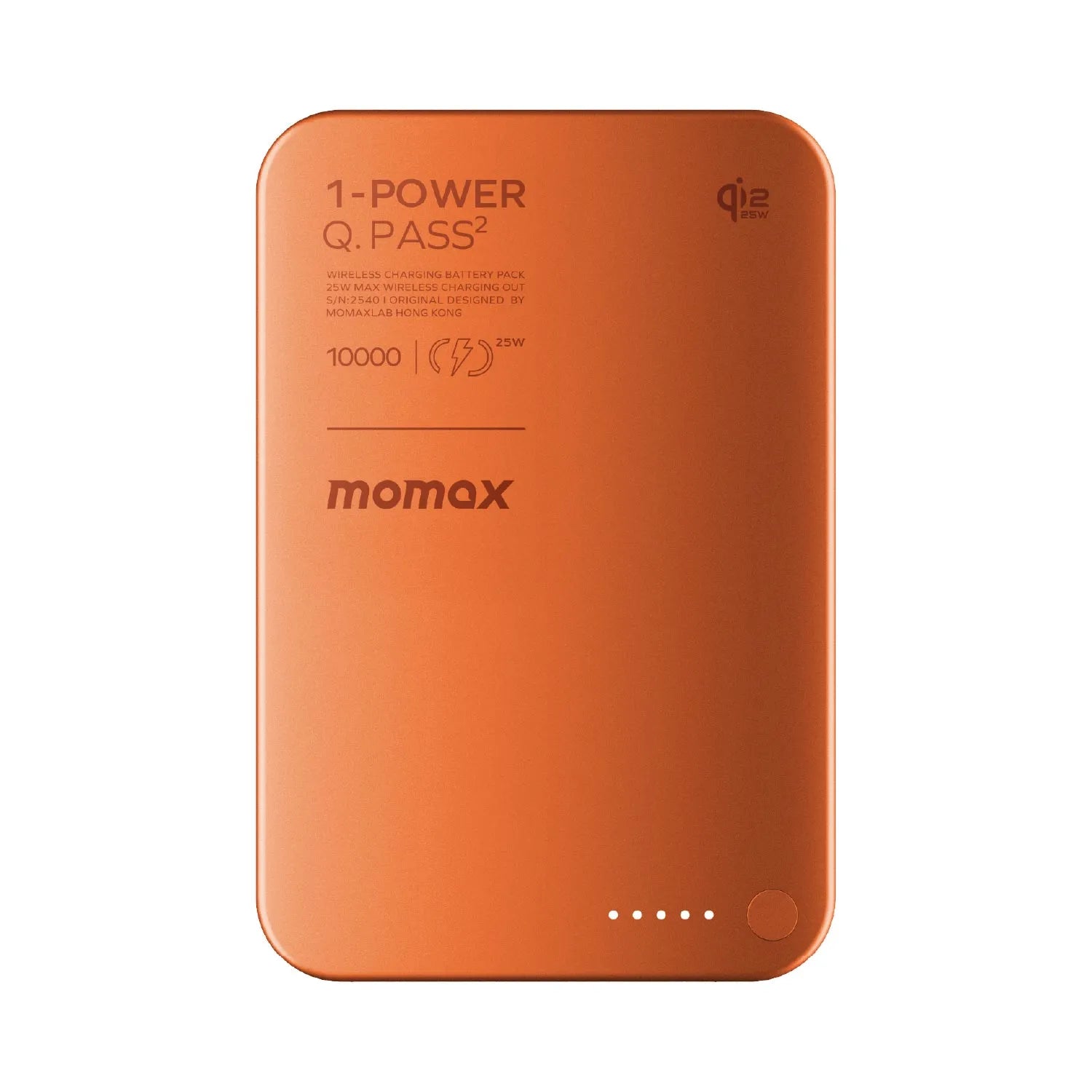
1-Power Q.Pass² 10000mAh Qi2 25W Magnetic Wireless Battery Pack
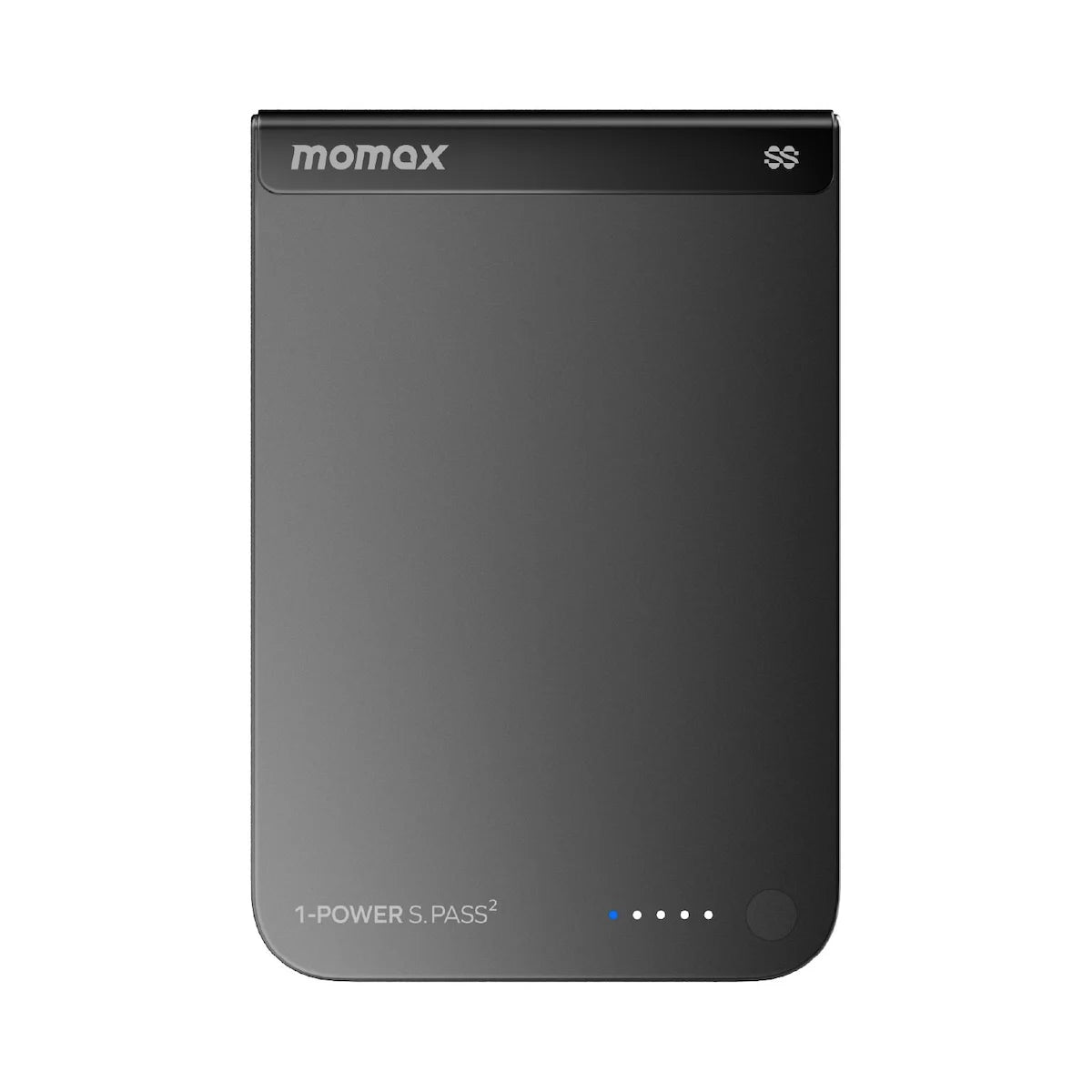
10000mAh Semi SSB Magnetic Wireless Battery Pack (CCC)
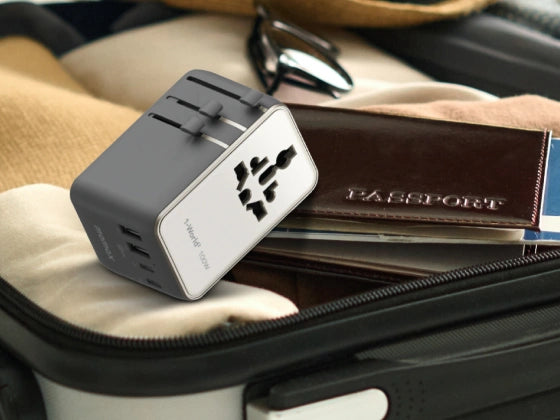
Travel Zone
In line with the latest requirements and updated guidance from the Civil Aviation Department, passengers departing from Hong Kong International Airport should note that each departing traveler may bring a maximum of two power banks on board. Passengers are also advised to check product labeling in advance. In general, a capacity of no more than 100Wh is recommended to help ensure a smoother boarding process.
As a global consumer electronics brand originating from Hong Kong, Momax is responding to travelers’ need for clear guidance and real-time support before departure by launching the “Your Safety is My Priority” travel support initiative. With the goal of “Recharge for Life. Certified for Flight” Momax is the first to provide on-the-spot assistance and in-store consultation at its branded store in Hong Kong International Airport. The initiative also brings together one-stop worry-free shopping support and a curated range of travel safety power solutions, helping travelers prepare their power essentials more efficiently and make suitable choices while meeting relevant requirements.
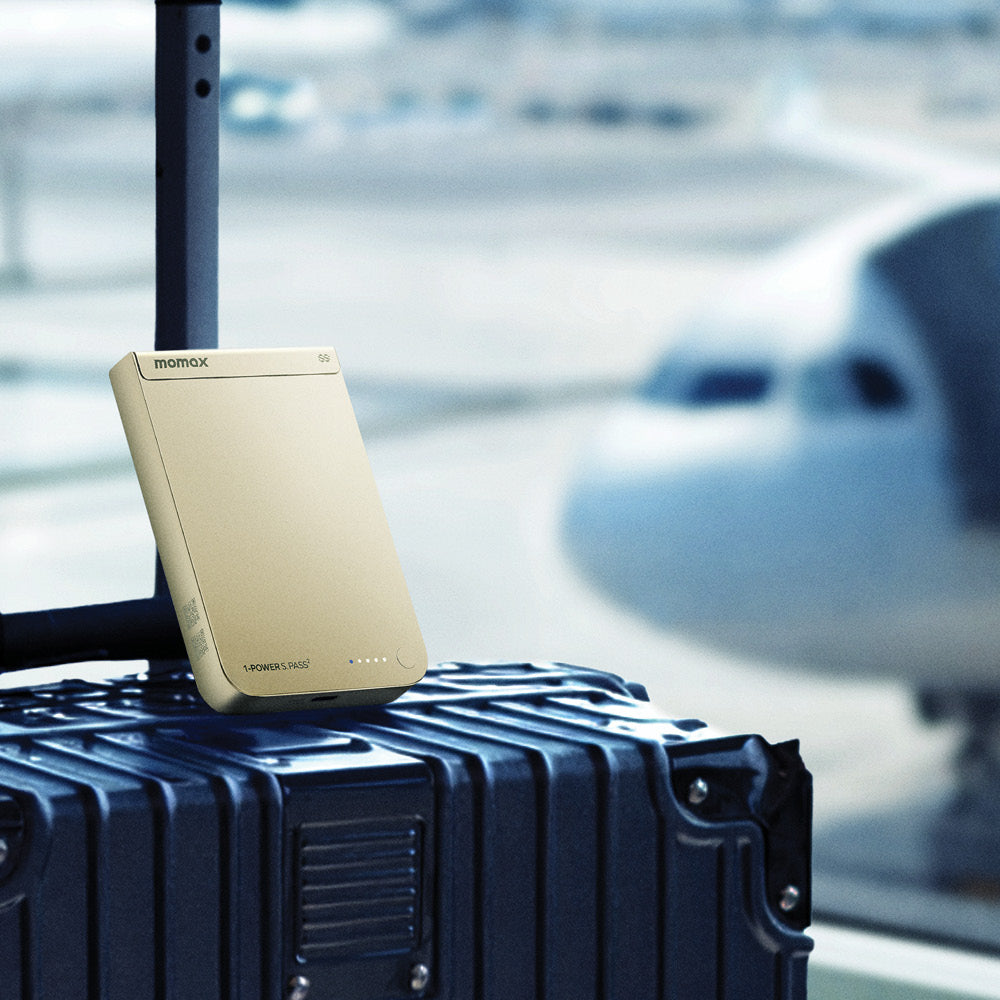
For travelers: Common power bank capacity reference (based on the Wh value shown on the product)
Battery cell specifications can vary slightly between products, the Wh equivalent for the same mAh rating may differ. Travelers are therefore advised to use the Wh value printed on the product casing or in the manual as the final reference before flying. If the labeling is unclear, it is recommended to confirm the details before boarding.For typical travel needs, many Momax power banks with a capacity of 20,000mAh (or below) already meet common carry-on requirements. Travelers can choose the most suitable option based on trip length and usage habits. Final acceptance is subject to the Wh labeling on the product and the requirements of the airline and airport.
- 5,000mAh (approx. 18.5Wh): Best for short trips or everyday backup use as a basic top-up option. Compact and easy to carry.
- 10,000mAh (approx. 37Wh): A common travel choice, suitable for general one-day usage such as messaging, navigation, and taking photos, balancing portability and battery support.
- 20,000mAh (approx. 74Wh): Ideal for long-haul flights, layovers, or multi-day trips. Also suitable for travelers who need to power multiple devices, offering stronger endurance support during the journey.
Need more details on the new CCC compliance updates?
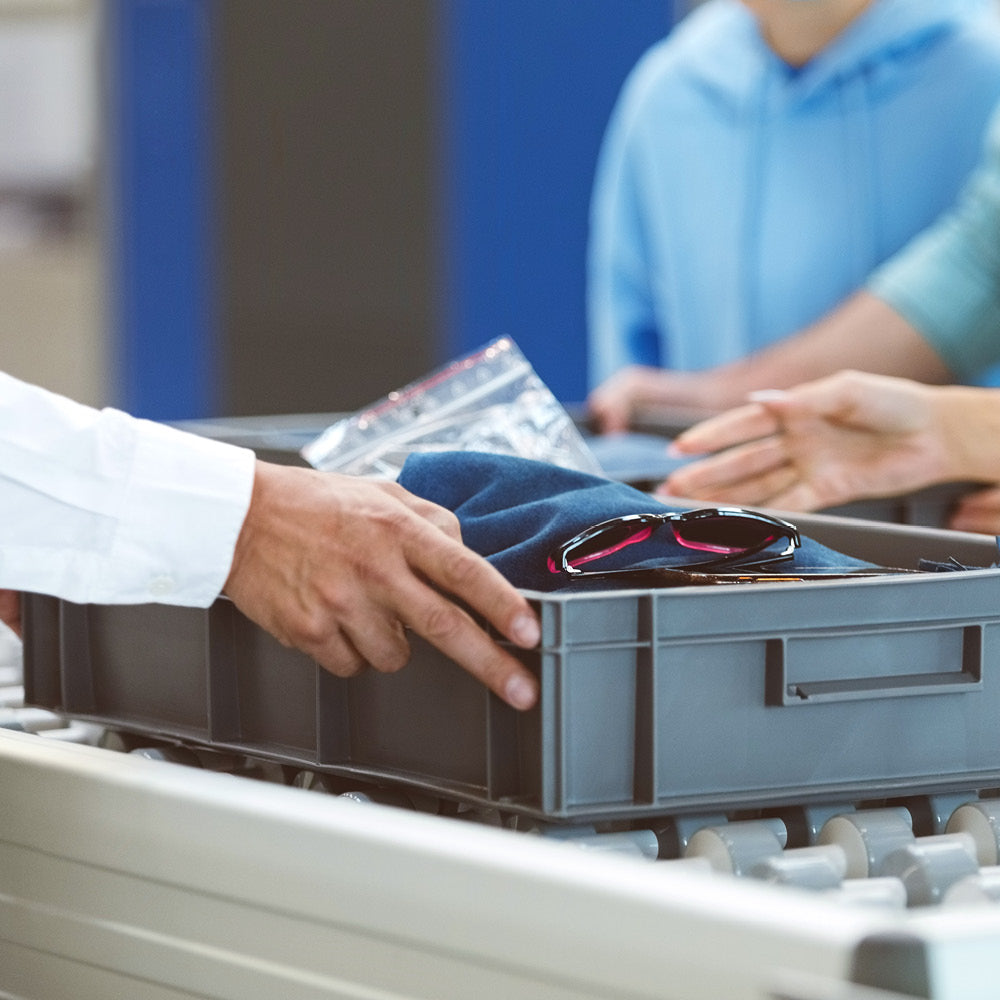
Q:When flying via Hong Kong Airport, Taiwan airports, or other international airports, are power bank rules the same? What should I pay attention to?
A:Not necessarily. Security screening practices and airline policies for lithium-battery power banks can vary by airport, route, and carrier, but they typically focus on these common checks:
· How you carry it: In most cases, power banks must be carried in your cabin baggage and cannot be placed in checked luggage (some airports/airlines explicitly prohibit checking them in).
· Capacity labeling: Security staff may ask to see the Wh (watt-hour) rating printed on the power bank. If the labeling is unclear or the capacity cannot be verified, you may be asked not to bring it onboard.
· Quantity & rated capacity: Policies often follow Wh tiers (≤100Wh, 100–160Wh, >160Wh) and may limit units per passenger, batteries under 100Wh are generally permitted in carry-on luggage and do not require prior application or approval, but this is always subject to the specific airline’s policy and security screening rules.
· Airline rules are final: Even at the same airport, different airlines may enforce stricter additional requirements.
Reminder: Before you travel, check the latest rules from both your departure/transit airport and your operating airline, and make sure your power bank’s exterior condition and Wh label are clearly visible to reduce the risk of delays or confiscation at security.
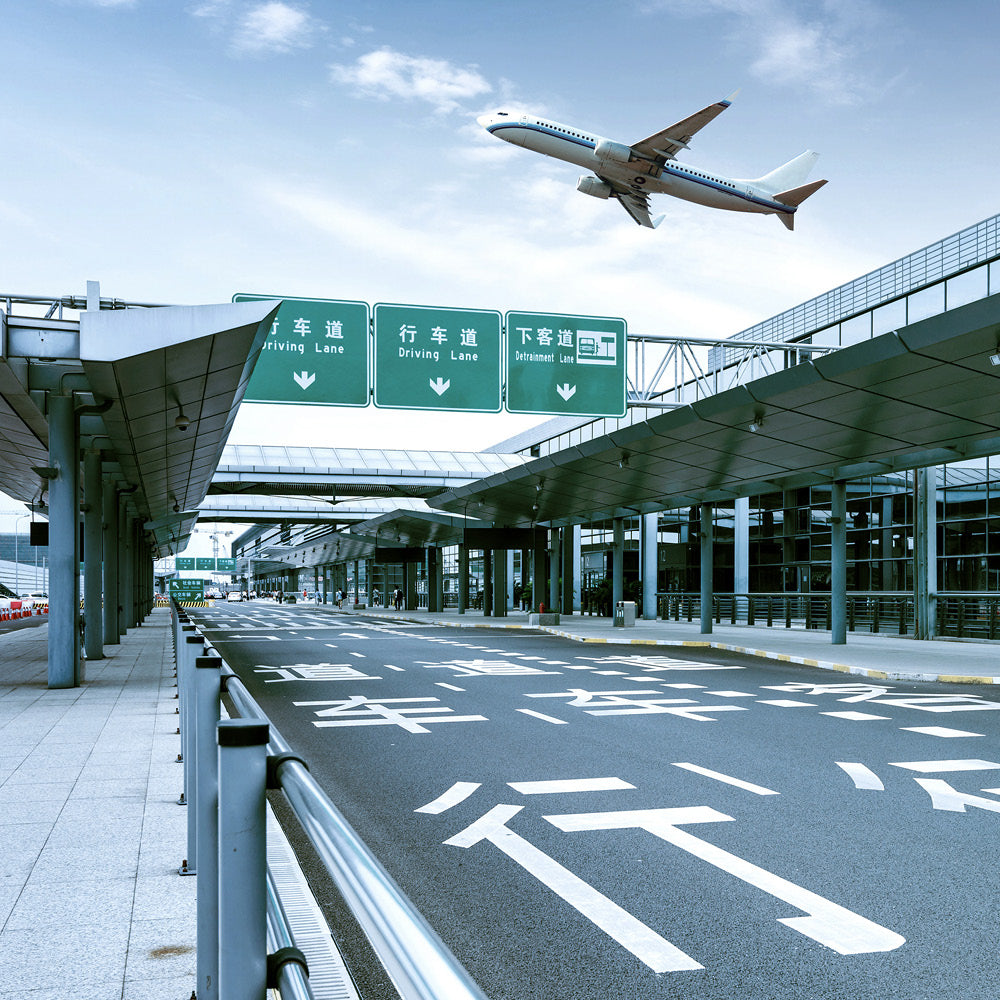
Q:If I am flying home from China, do I still need the CCC mark and what are the Wh limits for power banks?
A:Yes. If your itinerary includes a flight departing from China, your power bank may still be inspected under China’s requirements. To reduce the risk of being stopped at security/boarding, please ensure your power bank carries the CCC certified logo where required by regulation.